

Time for tea and a slice of Cake? Try this delicious gluten teabread http://t.co/kYFawJ5iVP # DKbooks #Gut Feeling #Gluten Free
This month is National Smile Month (www.nationalsmilemonth.org) a campaign organised by the British Dental Foundation to remind us all about the importance of looking after our teeth. A healthy smile is a great asset, it can make you look more attractive, feel more confident, appear younger, more approachable and more successful but the benefits of looking after your teeth and gums extends way beyond the Hollywood Smile. Poor oral hygiene has been linked with increased risk of dementia, heart disease stroke, certain types of cancer, infertility, complications in pregnancy and impotence. Regular brushing, flossing and using a fluoride containing mouth wash are an absolute must but the road to healthy teeth and gums doesn’t end there - you also need to pay attention to your diet. Some food and drinks like strong tea, coffee, red wine, liquorice, curry, beetroot and blackcurrant can stain the surface of your teeth, so if you want to keep your pearly whites pearly white consume these things in moderation and when you do swill your mouth out with water after you’ve finished eating or chew some sugar free gum. Although most of us think about sugar as the number one enemy when it comes to our teeth the real threat comes from acidic food and drinks such as fruit, fruit juice and fizzy soft drinks, even diet free fizzy drinks, which damage teeth by weakening the tooth enamel, the hard, protective coating, which protects the sensitive dentine beneath. When the enamel is worn away the dentine is exposed, allowing decay to spread more rapidly through the tooth leading to infection, inflammation, pain, sensitivity and eventually the formation of an abscess. But it’s not just presence of fermentable carbs, sugar or the acidity of the food and drinks we consume that we need to think about, the physical charactistics of a food, particular how sticky it is and how long it clings to the teeth and frequency with which we expose our teeth to these foods are also important. Each time we eat or sip a drink containing carbohydrate or sugar, decay-causing bacteria present on the teeth start to produce acid. This continues for 20 to 30 minutes after eating or drinking, longer if food sticks around the teeth. In between periods of eating and drinking saliva works to neutralise the acids and assist in the process of remineralisation but if you are constantly snacking or sipping throughout the day the tooth enamel doesn’t have a chance to remineralise completely and caries can start to occur. But not everything we eat is bad for our teeth some foods help protect against tooth decay. Eating a piece of hard cheese at the end of a meal, for instance, increases the flow of saliva which will help to neutralise acid. Dairy products also contain minerals such as calcium, which protect the teeth against demineralisation. Chewing sugar-free gum after eating will also help stimulate the production of saliva, which helps to neutralise plaque acid. Tips for Healthy Teeth and Gums þ Brush your teeth for 2 minutes twice a day with a fluoride toothpaste þ Clean between your teeth using dental floss to remove plaque and food deposits. þ Use a fluoride based mouthwash to help re-mineralise tooth enamel and kill plaque forming bacteria. þ Consume acidic or sweetened drinks such as orange juice with meals rather than in between meals. Avoid brushing your teeth for 20minutes after eating or drinking acidic food or drink. Swill your mouth out with water as soon as you’ve finished eating these foods þ Chew sugar-free gum for 10minutes after meals helps to stimulate the production of saliva. Some chewing gums contain a sugar-free sweetener called xylitol, which suppresses caries forming bacteria þ Eat a balanced diet, rich in wholegrain cereals, beans, pulses, fruits, vegetables, lean meat/fish and dairy products. þ If you want to snack between meals choose tooth friendly snacks like yoghurt or raw vegetables þ Limit your intake of sweet foods like biscuits, cakes, chocolate and sweets. þ If you can’t brush your teeth after meals eating a stick of celery will help clean your teeth þ Visit your dentist and dental hygienist regularly.
Happy Valentine’s Day. Today seemed like the prefect day to post a blog on the subject of aphrodisiacs. Food and sexual performance have been inextricably linked throughout history, Casanova was reputed to eat 70 oysters a day, the Romans fed chickpeas to their stallions to improve their sexual performance and the karma sutra recommends honey to increase sexual arousal. Hundreds of different foods, herbs, spices, pills and potions, everything from anchovies to aniseed, are claimed to have aphrodisiac properties. Aphrodisiacs are named after Aphrodite, the Greek goddess of love and beauty. Aphrodite was said to be born from the sea, which may explain why seafood has the reputation for possessing aphrodisiac qualities. Oysters, in particular, are reputed to increase sex drive and performance in men. Since they are one the richest food sources of zinc, which is found in very high concentration in semen, there may well be more than a grain of truth in this claim. Chillies and other spicy foods are also believed to increase sexual performance. They produce similar physiological effects – a raised pulse and sweating, to that experienced during sex, which may help to explain the link. In ancient times, many people believed in the law of similarity, reasoning that food or roots such as ginseng, asparagus that resembled genitalia must possess sexual powers. Foods that are symbolic of life or procreation such as eggs, caviar, figs, pomegranates, nuts and seeds are often endowed with the reputation for increasing sex drive and fertility. Fact or fiction? Evidence that Aphrodisiacs actually exist remains anecdotal and subjective. Measuring the effect of aphrodisiacs is not easy - any valid scientific study would need to be performed under strict clinical conditions, comparing a placebo to a test substance. Which then begs the question, what criteria do you use to measure any sexual effect? Lack of sexual energy or ability in men or women can be caused by stress or it can be a side effect of certain medication. Occasionally it can be the result of an underlying medical condition such as diabetes or high blood pressure. In many cases there is a simple solution to the problem so it’s always worth discussing the matter with your GP. At the end of the day most experts would agree that a healthy diet, regular exercise and a good mental health are a much more reliable path to better sex than are powdered rhinoceros horn, royal jelly and asparagus tips. Food, like sex, is a sensual pleasure involving smell, taste, texture and appearance and if you’re in the right frame of mind, with the right person any food can act as an aphrodisiac. In the words of ‘Dr Ruth’ Westheimer the renowned sex expert ‘the most important sex organ lies between the ears’. If you’re still interested in finding out if food can a little razzmatazz to your Valentines day here are some things you might like to Prunes – In Elizabethan time, prunes were believed to be such effective aphrodisiacs that brothels served them to their customers. Ginseng – the word ginseng means ‘man root’ and the plants reputation probably arises from its similarity to the male genitalia. Some studies have shown that ginseng may elicit a sexual response in animals but there is no evince that ginseng has any effect on human Sexuality. Onions and garlic – are believed to enhance sexual stamina and desire. Celibate Egyptian priests were forbidden from eating them. Carrots the Ancient Greeks believed that carrots were highly aphrodisiac - so much so that they ate them when preparing for an orgy. Aubergine – known as the ‘apple of love’, the aubergine was highly praised as an aphrodisiac in India. The Kama Sutra suggests rubbing the juice of an aubergine over your partner’s body to increase sexual desire. Bananas contain a substance called bufotenine, which is believed to act on the brain to improve mood, self-confidence and increase sex drive. Verbena – in days gone by women would wear a garland of Verbena around their neck during lovemaking to improve their husband’s performance. Aniseed - the Karma Sutra recommended powdered aniseed should be mixed to a paste with honey, then rubbed into the genitalia of newlyweds to ensure a sexual chemistry. Alcohol – may heighten desire by lessen inhibitions but as Macbeth observed when consumed to excess it ‘provokes desire, but it takes away the performance’ Angelica – in the 18th century angelica was eaten to overcome frigidity. Cocoa – The ancient Aztecs revered cocoa as an aphrodisiac, King Montezuma was reported to have drunk it while frolicking with his harem of 600 women.

Brain Food: Keep Calm and Carrying on Eating It’s that time of year again when some people wake up and, for a carefree moment, the sun is shining and all is well with the world, then it hits you ……..that sick feeling, a feeling of dread and terror, a dead weight in the pit of your stomach and you then you remember why………. it’s exam time! My beautiful niece Amy is in the middle of her A/S levels and it was her idea for me to write something about what to eat to beat exam stress. The effect of diet on brain chemistry and cognition it a relatively new but very exciting area of nutrition and one that I plan to write more about at some point. But, if like Amy, you’re in the middle of revising for or taking exams right now here are some tips that may help you concentrate better, think faster, and deal with exam stress. Start the day right - although you might not feel like eating when you first get up, particularly on the morning of an exam, breakfast really is the most important meal of the day. Studies show that people who eat breakfast think faster and remember things better. If that isn’t enough incentive to eat breakfast I don’t know what is. The fact of the matter is, if you want your brain to work properly in the morning you’ve got to give it the fuel to do so, which means breakfast. Another reason for eating breakfast, especially on the day of an exam, is that you want your mental focus to be on your exam not on a rumbling tummy. The best choice for breakfast is something that combines low GI ‘slow release’ carbs and some protein, so porridge or muesli or eggs or peanut butter on wholemeal toast are good options. Low GI/slow release carbs are broken down into sugar slowly which will help to keep your blood sugar level stable and that’s a good thing because a dip in blood sugar can mean a dip in concentration and brain power. Eat regularly - the food you eat provides the fuel your brain needs so if you skip meals and your blood sugar level drops your brain might decide to go on a bit of a go-slow. When you’re revising take a short break every 2-3hours, rest your brain, stretch your muscles, have a drink and a healthy snack. Good choices for snacks include fruit, a couple of oatcakes with hummus or peanut butter, wholemeal toast or a smoothie. On days when you have an exam, especially if it’s going to be a long one, take bottle of water and small snack like a banana or some dried fruit and nuts into the exam room with you. Don’t eat too late at night – when you’re studying hard your brain needs time to relax and the best way to help it relax is with a good night’s sleep. A heavy meal too close to bedtime can interfere with sleep, so try to have your last meal at least 3 hours before you go to bed, but going to bed hungry can also make it more difficult to sleep so if you eat early have a small snack like a milky drink or a bowl of cereal before you go to bed. Avoid all caffeine containing food and drinks (tea, coffee, cola and chocolate) for least 4 hours before going to bed – some people who are very sensitive to caffeine can still feel the effect 12 hours later. Look after your body as well as your brain – I don’t need to tell you how stressful exams are but what you might not know is that stress can affect the balance of good and bacteria that we have living in our gut. This can take its toll on your immune system making you more vulnerable to colds and stuff. There’s never a good time to be ill but the run up to exams has to be one of the worst so to keep your immune system healthy I recommend taking a probiotic supplement like Actimel or Yakult Don’t forget to drink - your brain is around 75% water and to work efficiently it needs to be kept properly hydrated. If you don’t drink enough you will find it more difficult concentrate, and you’re more likely to get a headache. Water is the healthiest thing to drink (don’t forget to take a bottle into the exam room with you) but if you fancy something a bit more exciting go for fruit squash or some flavoured milk. Avoid too many fizzy drinks – even the sugar free variety can damage your teeth. Good to anyone taking exams - especially to you Amy !
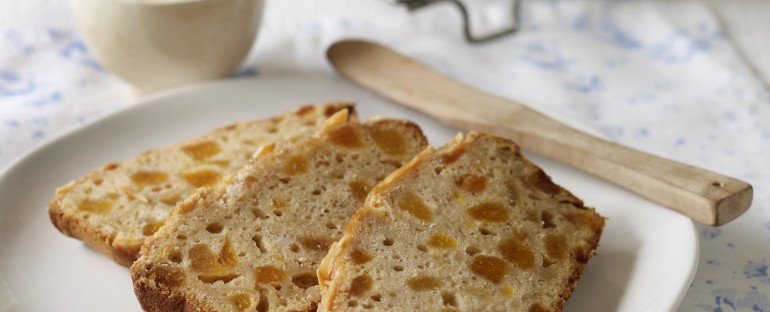
Have you got that Friday afternoon feeling ? Then its obviously time for a cup of tea a slice of cake, so why not try this delicious gluten free option from the Gluten Free Cook Book , DK (ISBN 978-1-4053-9431-4). To win a copy of the book simply leave the answer to the following question along with your email address at the end of this post (NB you need to subscribe to the site to post your answer) Which of the following are NOT gluten free a) spelt b) buckwheat c) quinoa Apricot and cardamom Teabread Serves 12 P rep 15 mins Cook 1¼–1½ Hours FREEZE: 2 MON THS Earl Grey tea adds a lovely citrus note to this wonderfully moist teabread, but any other tea will work too. 1 tea bag, such as Earl Grey 225g (8oz) ready-to-eat dried apricots, finely chopped 6 cardamom pods, split 175g (6oz) light muscovado sugar oil, for greasing 225g (8oz) gluten-free plain flour 1 tsp gluten-free baking powder 1 tsp xanthan gum 1 tsp ground cinnamon pinch of salt 75g (21⁄2oz) cold unslated butter, cubed 2 eggs, beaten 15g (1⁄2oz) flaked almonds 2 tbsp demerara sugar butter, to serve Special Equipment 900g (2lb) loaf tin 1 Pour 300ml (10fl oz) boiling water over the tea bag and leave to infuse for 5 minutes. Place the apricots in a small pan. Remove the tea bag and add the hot tea, cardamom, and sugar to the pan. Bring to the boil, then simmer, uncovered, for 10 minutes. Leave until cold; the apricot mixture will cool quickly if tipped into a shallow tray. Remove the cardamom pods. 2 Preheat the oven to 180°C (350°F/Gas 4). Lightly oil the tin and line the base with baking parchment. Sift the flour, baking powder, xanthan, cinnamon, and salt into a large bowl. Rub the butter into the flour mixture. Stir the cold apricots and their cooking liquid into the flour, add the eggs, and beat together. Pour into the tin and scatter over the almonds and demerara sugar. Bake in the centre of the oven for 1 hour 20–25 minutes or until well risen and firm to the touch. 3 Cool in the tin for 10 minutes before transferring to a wire rack to cool completely. The tea bread is even better the day after baking and will keep in an airtight container for up to 1 week. Per slice Energy 225kcals/948kJ Protein 4g Fat 7g Saturated fat 3.5g Carbohydrate 36g Sugar 23g Fibre 2.4g Salt 0.3g
 Latest Tweets
 RT @healthyfoodmag: If colder days and darker nights leave you feeling miserable, this article is for you. HFG nutritionist,… Click here for link,
 - Lunch at Flax and Kale, #superhealthy #super tasty #❤️Barcelona @ Barcelona, Spain Click here for link,
- Why cooking from scratch is the way forward Click here for link,
- RT @TelegraphFood: Is organic food really healthier? Nutritionist @fiona_nutrition helps bust the biggest food myths
Click here for link,