

Time for tea and a slice of Cake? Try this delicious gluten teabread http://t.co/kYFawJ5iVP # DKbooks #Gut Feeling #Gluten Free
This month is National Smile Month (www.nationalsmilemonth.org) a campaign organised by the British Dental Foundation to remind us all about the importance of looking after our teeth. A healthy smile is a great asset, it can make you look more attractive, feel more confident, appear younger, more approachable and more successful but the benefits of looking after your teeth and gums extends way beyond the Hollywood Smile. Poor oral hygiene has been linked with increased risk of dementia, heart disease stroke, certain types of cancer, infertility, complications in pregnancy and impotence. Regular brushing, flossing and using a fluoride containing mouth wash are an absolute must but the road to healthy teeth and gums doesn’t end there - you also need to pay attention to your diet. Some food and drinks like strong tea, coffee, red wine, liquorice, curry, beetroot and blackcurrant can stain the surface of your teeth, so if you want to keep your pearly whites pearly white consume these things in moderation and when you do swill your mouth out with water after you’ve finished eating or chew some sugar free gum. Although most of us think about sugar as the number one enemy when it comes to our teeth the real threat comes from acidic food and drinks such as fruit, fruit juice and fizzy soft drinks, even diet free fizzy drinks, which damage teeth by weakening the tooth enamel, the hard, protective coating, which protects the sensitive dentine beneath. When the enamel is worn away the dentine is exposed, allowing decay to spread more rapidly through the tooth leading to infection, inflammation, pain, sensitivity and eventually the formation of an abscess. But it’s not just presence of fermentable carbs, sugar or the acidity of the food and drinks we consume that we need to think about, the physical charactistics of a food, particular how sticky it is and how long it clings to the teeth and frequency with which we expose our teeth to these foods are also important. Each time we eat or sip a drink containing carbohydrate or sugar, decay-causing bacteria present on the teeth start to produce acid. This continues for 20 to 30 minutes after eating or drinking, longer if food sticks around the teeth. In between periods of eating and drinking saliva works to neutralise the acids and assist in the process of remineralisation but if you are constantly snacking or sipping throughout the day the tooth enamel doesn’t have a chance to remineralise completely and caries can start to occur. But not everything we eat is bad for our teeth some foods help protect against tooth decay. Eating a piece of hard cheese at the end of a meal, for instance, increases the flow of saliva which will help to neutralise acid. Dairy products also contain minerals such as calcium, which protect the teeth against demineralisation. Chewing sugar-free gum after eating will also help stimulate the production of saliva, which helps to neutralise plaque acid. Tips for Healthy Teeth and Gums þ Brush your teeth for 2 minutes twice a day with a fluoride toothpaste þ Clean between your teeth using dental floss to remove plaque and food deposits. þ Use a fluoride based mouthwash to help re-mineralise tooth enamel and kill plaque forming bacteria. þ Consume acidic or sweetened drinks such as orange juice with meals rather than in between meals. Avoid brushing your teeth for 20minutes after eating or drinking acidic food or drink. Swill your mouth out with water as soon as you’ve finished eating these foods þ Chew sugar-free gum for 10minutes after meals helps to stimulate the production of saliva. Some chewing gums contain a sugar-free sweetener called xylitol, which suppresses caries forming bacteria þ Eat a balanced diet, rich in wholegrain cereals, beans, pulses, fruits, vegetables, lean meat/fish and dairy products. þ If you want to snack between meals choose tooth friendly snacks like yoghurt or raw vegetables þ Limit your intake of sweet foods like biscuits, cakes, chocolate and sweets. þ If you can’t brush your teeth after meals eating a stick of celery will help clean your teeth þ Visit your dentist and dental hygienist regularly.
Happy Valentine’s Day. Today seemed like the prefect day to post a blog on the subject of aphrodisiacs. Food and sexual performance have been inextricably linked throughout history, Casanova was reputed to eat 70 oysters a day, the Romans fed chickpeas to their stallions to improve their sexual performance and the karma sutra recommends honey to increase sexual arousal. Hundreds of different foods, herbs, spices, pills and potions, everything from anchovies to aniseed, are claimed to have aphrodisiac properties. Aphrodisiacs are named after Aphrodite, the Greek goddess of love and beauty. Aphrodite was said to be born from the sea, which may explain why seafood has the reputation for possessing aphrodisiac qualities. Oysters, in particular, are reputed to increase sex drive and performance in men. Since they are one the richest food sources of zinc, which is found in very high concentration in semen, there may well be more than a grain of truth in this claim. Chillies and other spicy foods are also believed to increase sexual performance. They produce similar physiological effects – a raised pulse and sweating, to that experienced during sex, which may help to explain the link. In ancient times, many people believed in the law of similarity, reasoning that food or roots such as ginseng, asparagus that resembled genitalia must possess sexual powers. Foods that are symbolic of life or procreation such as eggs, caviar, figs, pomegranates, nuts and seeds are often endowed with the reputation for increasing sex drive and fertility. Fact or fiction? Evidence that Aphrodisiacs actually exist remains anecdotal and subjective. Measuring the effect of aphrodisiacs is not easy - any valid scientific study would need to be performed under strict clinical conditions, comparing a placebo to a test substance. Which then begs the question, what criteria do you use to measure any sexual effect? Lack of sexual energy or ability in men or women can be caused by stress or it can be a side effect of certain medication. Occasionally it can be the result of an underlying medical condition such as diabetes or high blood pressure. In many cases there is a simple solution to the problem so it’s always worth discussing the matter with your GP. At the end of the day most experts would agree that a healthy diet, regular exercise and a good mental health are a much more reliable path to better sex than are powdered rhinoceros horn, royal jelly and asparagus tips. Food, like sex, is a sensual pleasure involving smell, taste, texture and appearance and if you’re in the right frame of mind, with the right person any food can act as an aphrodisiac. In the words of ‘Dr Ruth’ Westheimer the renowned sex expert ‘the most important sex organ lies between the ears’. If you’re still interested in finding out if food can a little razzmatazz to your Valentines day here are some things you might like to Prunes – In Elizabethan time, prunes were believed to be such effective aphrodisiacs that brothels served them to their customers. Ginseng – the word ginseng means ‘man root’ and the plants reputation probably arises from its similarity to the male genitalia. Some studies have shown that ginseng may elicit a sexual response in animals but there is no evince that ginseng has any effect on human Sexuality. Onions and garlic – are believed to enhance sexual stamina and desire. Celibate Egyptian priests were forbidden from eating them. Carrots the Ancient Greeks believed that carrots were highly aphrodisiac - so much so that they ate them when preparing for an orgy. Aubergine – known as the ‘apple of love’, the aubergine was highly praised as an aphrodisiac in India. The Kama Sutra suggests rubbing the juice of an aubergine over your partner’s body to increase sexual desire. Bananas contain a substance called bufotenine, which is believed to act on the brain to improve mood, self-confidence and increase sex drive. Verbena – in days gone by women would wear a garland of Verbena around their neck during lovemaking to improve their husband’s performance. Aniseed - the Karma Sutra recommended powdered aniseed should be mixed to a paste with honey, then rubbed into the genitalia of newlyweds to ensure a sexual chemistry. Alcohol – may heighten desire by lessen inhibitions but as Macbeth observed when consumed to excess it ‘provokes desire, but it takes away the performance’ Angelica – in the 18th century angelica was eaten to overcome frigidity. Cocoa – The ancient Aztecs revered cocoa as an aphrodisiac, King Montezuma was reported to have drunk it while frolicking with his harem of 600 women.
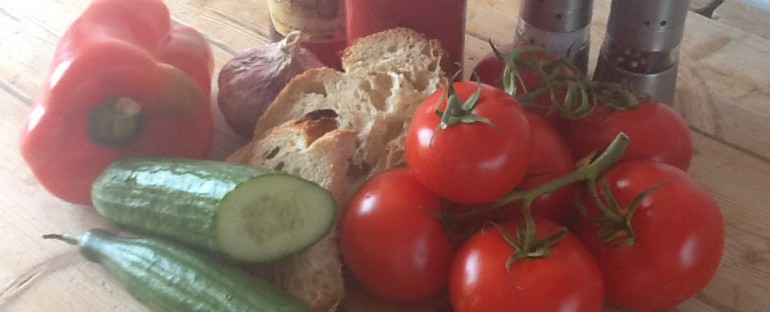
Now that summer has finally arrived one of my favourite things to eat for lunch is gazpacho. It’s quick to make, healthy and wonderfully refreshing – what more could a girl want? Although I enjoy cooking, and don’t as a rule buy alot of processed foods, I must confess that, until recently I have always bought ready-made gazpacho. There are several different brands on sale in our local supermarket so a couple of weeks ago when I was visiting some farmers in Almeria in southern Spain (more about that visit in my next blog), I asked my hosts which brand they thought was the best and most authentic. My question was met with a look of complete bewilderment. Why would I buy ready-made gazpacho when it’s so easy to make, they wanted to know. That is, of course, an excellent question. So yesterday I thought I’d give it a go. I’m happy to report that it really could not be easier to make – once all the ingredients were assembled it took less than 5 minutes to make, and without wishing to appear too boastful it tasted utterly delicious. If you want to see a short film of me making gazpacho click on this link www.vine.co/v/hZQKxKaLJ7K/embed Although gazpacho is a classic dish from the Andalucían area of Spain, I suspect the recipe is fairly flexible. However the one thing that is absolutely essential for the dish is ripe tomatoes. Gazpacho needs to be served well chilled so although it only takes a couple of minutes to make it’s worth making it a couple of hours before you want to eat it so you have time to chill it properly. I like to add an ice cube just before serving and garnish the gazpacho with small cubes of red and green pepper, diced avocado, mild Spanish onion. If I’m serving it as a first course for a dinner party I like to add a swirl of fresh pesto, although I suspect that might cause a few raised eyebrows among the Spanish farmers! As well as a tasty nutritious lunch it’s also a great dish to serve as a starter for a summer dinner party. It’s diet friendly and suitable for all sorts of special diets including dairy free, vegetarian, vegan. Although the recipe below uses bread if you’re following a gluten or wheat free diet simply leave the bread out and then it would be gluten free too. Gazpacho Serves 6 - 8 1kg ripe tomatoes 1 pepper 2 fat cloves garlic, peeled 100g white bread 1 cucumber 150mls olive oil 3tbsp red wine or sherry vinegar Salt and freshly ground black pepper to taste To garnish: some or all of the following – diced red and green pepper, Spanish onion, avocado, cucumber, fresh pesto, fresh mint, black olives, Soak the bread in a bowl of cold water for 10-15mins, then squeeze out as much water as possible. Place all the ingredients in a blender or food processor and process until smooth. If you like a smooth soup pass the mixture through a sieve to remove seeds and skins (I did this the first time I made the recipe but didn’t bother the second time and it tasted just as good). Chill for at least an hour and then serve garnished with whatever takes your fancy. Nutrition notes: Per serving: based of 6 servings 247cals-12% 8g sugar – 9% 19g fat – 28% 3g saturated fat – 15% 0.3g salt – 5% One bowl contains over 75% of the Recommended Daily intake of Vitamin C and 3 of your five a day servings Suitable for vegetarians, vegans, dairy free and can easily be adapted to make it gluten and wheat free.

Brain Food: Keep Calm and Carrying on Eating It’s that time of year again when some people wake up and, for a carefree moment, the sun is shining and all is well with the world, then it hits you ……..that sick feeling, a feeling of dread and terror, a dead weight in the pit of your stomach and you then you remember why………. it’s exam time! My beautiful niece Amy is in the middle of her A/S levels and it was her idea for me to write something about what to eat to beat exam stress. The effect of diet on brain chemistry and cognition it a relatively new but very exciting area of nutrition and one that I plan to write more about at some point. But, if like Amy, you’re in the middle of revising for or taking exams right now here are some tips that may help you concentrate better, think faster, and deal with exam stress. Start the day right - although you might not feel like eating when you first get up, particularly on the morning of an exam, breakfast really is the most important meal of the day. Studies show that people who eat breakfast think faster and remember things better. If that isn’t enough incentive to eat breakfast I don’t know what is. The fact of the matter is, if you want your brain to work properly in the morning you’ve got to give it the fuel to do so, which means breakfast. Another reason for eating breakfast, especially on the day of an exam, is that you want your mental focus to be on your exam not on a rumbling tummy. The best choice for breakfast is something that combines low GI ‘slow release’ carbs and some protein, so porridge or muesli or eggs or peanut butter on wholemeal toast are good options. Low GI/slow release carbs are broken down into sugar slowly which will help to keep your blood sugar level stable and that’s a good thing because a dip in blood sugar can mean a dip in concentration and brain power. Eat regularly - the food you eat provides the fuel your brain needs so if you skip meals and your blood sugar level drops your brain might decide to go on a bit of a go-slow. When you’re revising take a short break every 2-3hours, rest your brain, stretch your muscles, have a drink and a healthy snack. Good choices for snacks include fruit, a couple of oatcakes with hummus or peanut butter, wholemeal toast or a smoothie. On days when you have an exam, especially if it’s going to be a long one, take bottle of water and small snack like a banana or some dried fruit and nuts into the exam room with you. Don’t eat too late at night – when you’re studying hard your brain needs time to relax and the best way to help it relax is with a good night’s sleep. A heavy meal too close to bedtime can interfere with sleep, so try to have your last meal at least 3 hours before you go to bed, but going to bed hungry can also make it more difficult to sleep so if you eat early have a small snack like a milky drink or a bowl of cereal before you go to bed. Avoid all caffeine containing food and drinks (tea, coffee, cola and chocolate) for least 4 hours before going to bed – some people who are very sensitive to caffeine can still feel the effect 12 hours later. Look after your body as well as your brain – I don’t need to tell you how stressful exams are but what you might not know is that stress can affect the balance of good and bacteria that we have living in our gut. This can take its toll on your immune system making you more vulnerable to colds and stuff. There’s never a good time to be ill but the run up to exams has to be one of the worst so to keep your immune system healthy I recommend taking a probiotic supplement like Actimel or Yakult Don’t forget to drink - your brain is around 75% water and to work efficiently it needs to be kept properly hydrated. If you don’t drink enough you will find it more difficult concentrate, and you’re more likely to get a headache. Water is the healthiest thing to drink (don’t forget to take a bottle into the exam room with you) but if you fancy something a bit more exciting go for fruit squash or some flavoured milk. Avoid too many fizzy drinks – even the sugar free variety can damage your teeth. Good to anyone taking exams - especially to you Amy !
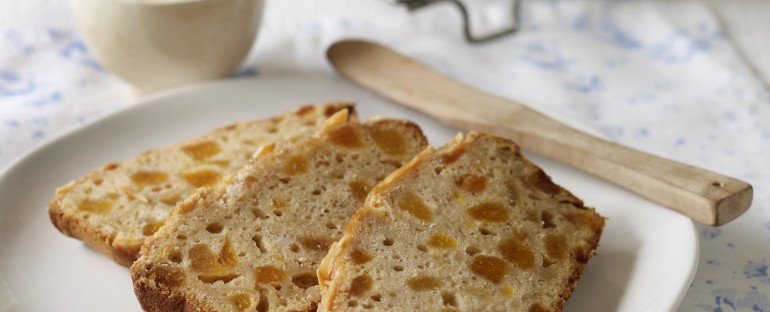
Have you got that Friday afternoon feeling ? Then its obviously time for a cup of tea a slice of cake, so why not try this delicious gluten free option from the Gluten Free Cook Book , DK (ISBN 978-1-4053-9431-4). To win a copy of the book simply leave the answer to the following question along with your email address at the end of this post (NB you need to subscribe to the site to post your answer) Which of the following are NOT gluten free a) spelt b) buckwheat c) quinoa Apricot and cardamom Teabread Serves 12 P rep 15 mins Cook 1¼–1½ Hours FREEZE: 2 MON THS Earl Grey tea adds a lovely citrus note to this wonderfully moist teabread, but any other tea will work too. 1 tea bag, such as Earl Grey 225g (8oz) ready-to-eat dried apricots, finely chopped 6 cardamom pods, split 175g (6oz) light muscovado sugar oil, for greasing 225g (8oz) gluten-free plain flour 1 tsp gluten-free baking powder 1 tsp xanthan gum 1 tsp ground cinnamon pinch of salt 75g (21⁄2oz) cold unslated butter, cubed 2 eggs, beaten 15g (1⁄2oz) flaked almonds 2 tbsp demerara sugar butter, to serve Special Equipment 900g (2lb) loaf tin 1 Pour 300ml (10fl oz) boiling water over the tea bag and leave to infuse for 5 minutes. Place the apricots in a small pan. Remove the tea bag and add the hot tea, cardamom, and sugar to the pan. Bring to the boil, then simmer, uncovered, for 10 minutes. Leave until cold; the apricot mixture will cool quickly if tipped into a shallow tray. Remove the cardamom pods. 2 Preheat the oven to 180°C (350°F/Gas 4). Lightly oil the tin and line the base with baking parchment. Sift the flour, baking powder, xanthan, cinnamon, and salt into a large bowl. Rub the butter into the flour mixture. Stir the cold apricots and their cooking liquid into the flour, add the eggs, and beat together. Pour into the tin and scatter over the almonds and demerara sugar. Bake in the centre of the oven for 1 hour 20–25 minutes or until well risen and firm to the touch. 3 Cool in the tin for 10 minutes before transferring to a wire rack to cool completely. The tea bread is even better the day after baking and will keep in an airtight container for up to 1 week. Per slice Energy 225kcals/948kJ Protein 4g Fat 7g Saturated fat 3.5g Carbohydrate 36g Sugar 23g Fibre 2.4g Salt 0.3g
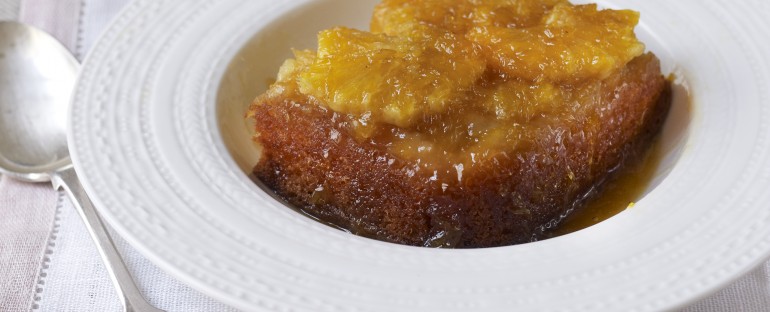
Day 4 of Gut Feeling week and here’s another lovely recipe from the Gluten Free Cook Book, DK ( ISBN 978 -1-4053-9431-4). Don’t forget 2 lucky people can win an copy of the book. All you need to do is post the correct answer to the question below and your email address in the comments box at the end of this post. Good Luck ! Which of the following grains is NOT gluten free a) Spelt b) Buckwheat c) Quinoa Caramelized Orange Pudding Serves 10 PREP 20 mins Cook 30–40 MINS Be patient when baking this tangy, orange-topped sponge. Don’t open the oven for a peep too early or the pudding won’t rise and it may even sink 75g (91⁄2oz) unsalted butter, plus extra for greasing 3–4 oranges, peeled, pith and pips removed, and thickly sliced 3–4 tbsp demerara sugar 115g (4oz) gluten-free self-raising flour 1 tsp gluten-free baking powder 1 tsp xanthan gum 175g (6oz) golden caster sugar 3 eggs 3 tbsp milk crème fraîche, or gluten-free custard, to serve Per serving Energy 643kcals/2646kJ Protein 7g Fat 42g Saturated fat 25g Carbohydrate 57g Sugar 44g Fibre 3g Salt 0.9g
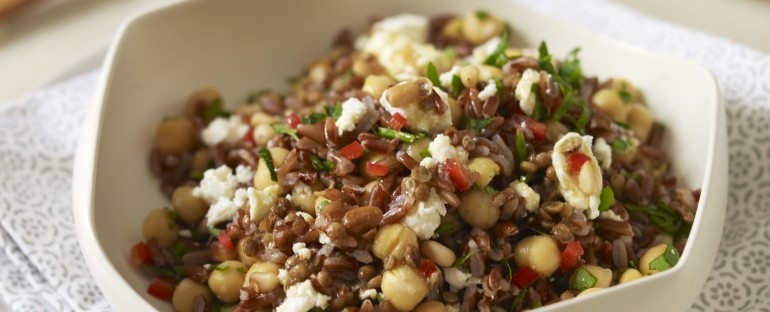
Day 3 of Gut Feeling Week www.coeliac.org.uk) and here another recipe from the Gluten Free Cook Book DK (ISBN 978-1-4053-9431-4). Don’t forget 2 lucky people can win a copy of the book - details of what you need to do are in mondays post. Chickpea, red rice, and artichoke salad Serves 4 Prep 10 mins Cook 35 mins A substantial main meal salad, it’s also good as a side dish to accompany grilled or barbecued salmon or chicken. 400g (14oz) Camargue red rice 400g can chickpeas, drained and rinsed 280g jar roasted artichokes, drained 1 red chilli, deseeded and finely chopped handful of fresh coriander, finely chopped handful of flat-leaf parsley, finely chopped 2 tbsp pine nuts, toasted 75g (21⁄2oz) feta cheese, crumbled For the coriander and orange dressing 6 tbsp extra virgin olive oil 2 tbsp white wine vinegar juice of 1 large orange 11⁄2 tsp coriander seeds, lightly crushed 1 tsp Dijon mustard pinch of sugar salt and freshly ground black pepper 1 For the dressing, place all the ingredients in a small bowl or jug and mix well. Taste and adjust the seasoning as required. 2 Place the rice in a large pan of salted water and cook according to pack instructions until tender. Drain well and transfer to a serving bowl. 3 While the rice is still warm, stir through the chickpeas, artichokes, chilli, and herbs, and mix well. Pour the dressing over the rice mixture and toss together. Taste and adjust the seasoning. Top with the pine nuts and feta Cook’s tip Camargue red rice has a slightly nutty taste. You can also use half Camargue rice and half basmati rice. Nutrient Boost Soluble fibre in chickpeas helps balance blood sugar and reduce cholesterol. statistics per serving Energy 710kcals/2958kJ Protein 17g Fat 28g Saturated fat 5.5g Carbohydrate 90g Sugar 7g Fibre 5g Salt 1.3g
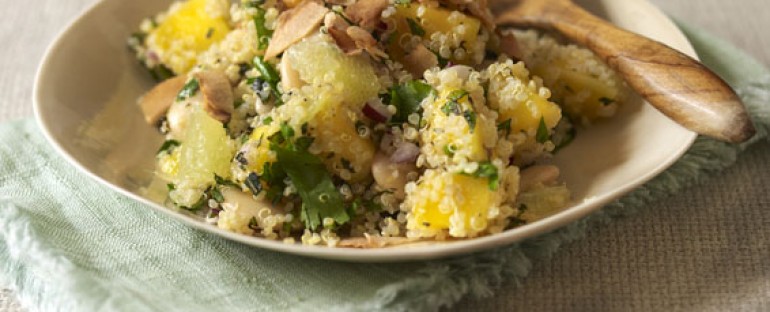
Day 2 of Gut Feeling Week (www.coeliac.org.uk) and here’s another lovely recipe taken from The Gluten Free Cook Book DK (ISBN 978-1-4053-9431-4). Don’t forget 2 lucky people can win a copy of the book - details of what you need to do are in yesterdays post. Quinoa salad with mango, lime, and toasted coconut Serves 4 Prep 15 mins Cook 10 mins A healthy salad full of big, tropical flavours and bright colours. Try to get Alphonso mangoes, if possible, which are famed for their sweetness. 1 Toast the coconut by dry frying it in a pan over a medium heat for 2–3 minutes until golden, stirring so that it doesn’t burn. Remove from the heat and allow to cool. 2 To make the dressing, place all the ingredients in a small bowl or jug and whisk. Taste and adjust the seasoning as needed. 3 Cook the quinoa according to pack instructions. Drain well and tip into a large serving bowl. While the quinoa is still warm, stir through the butter beans, onion, mango, lime, mint, and parsley, and season. 4 Pour over the dressing and stir well. Sprinkle the toasted coconut on top and serve immediately. 50g (13⁄4oz) desiccated or flaked coconut 300g (10oz) quinoa 400g can butter beans, drained and rinsed 1⁄2 red onion, finely chopped 1 large mango, peeled, stoned, and cut into bite-sized pieces 1 lime, peeled, segmented, and segments halved handful of mint, finely chopped handful of flat-leaf parsley, finely chopped For the dressing 3 tbsp olive oil 1 tbsp white wine vinegar pinch of sugar salt and freshly ground black pepper Per serving Energy 460kcals/1935kJ Protein 15g Fat 20g Saturated fat 8g Carbohydrate 54g Sugar 12.5g Fibre 7.5g Salt 0.8g
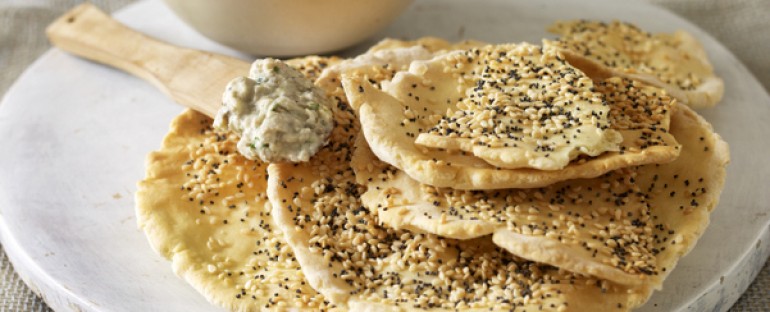
Lavosh with aubergine dip Serves 8 Prep 20 mins Cook 1 HOUR 10 MINS Iranian-style seeded crisp breads served with a sesame scented aubergine dip perfect for a snack or appetiser. 150g (51⁄2oz) gluten-free plain flour, plus extra for dusting 2 tsp xanthan gum 1⁄2 tsp salt 2 egg whites 15g (1⁄2oz) butter, melted 2 tbsp sesame seeds 1 tbsp poppy seeds For the dip 2 medium aubergines 2 garlic cloves, crushed zest and juice of 1 lemon 3 tbsp tahini paste 1⁄2 tsp salt 90ml (3fl oz) olive oil 3 tbsp finely chopped fresh coriander 4 tbsp Greek yogurt freshly ground black pepper 1 Preheat the oven to 200°C (400°F/Gas 6). For the dip, bake the aubergines on a baking tray for 30–40 minutes or until soft and lightly charred. Cool. 2 Meanwhile, make the lavosh. Sift the flour, xanthan, and salt into a large bowl. Beat 1 egg white with 90ml (3fl oz) water, stir into the flour with the melted butter, and mix well to form a dough. Lightly knead the dough on a floured surface, divide into 6 balls, and roll out each ball until paper thin, then place on baking sheets. Repeat with all the dough. 3 Brush the remaining egg white over the lavosh, sprinkle the seeds, and bake in 2 batches for 10–15 minutes or until crisp and golden. 4 Halve the aubergines and scoop the flesh into a food processor. Add the rest of the ingredients and blend to a chunky spread. Check the seasoning, spoon into a bowl, and serve with the crisp breads. Cook’s Tip You can also store the lavosh, after it has cooled, in an airtight container for 2–3 days. Re-crisp in a warm oven. The dip can be stored for 2–3 days in an airtight container in the fridge. Per serving Energy 226kcals/994kJ Protein 5.5g Fat 17g Saturated fat 3.5g Carbohydrate 15.5g Sugar 1.5g Fibre 3g Salt 0.6g Recipe from The Gluten Free Cook Book, Heather Whinney, Jane Lawrie & Fiona Hunter DK publishing (ISBN 978-1-4053-9431-4)
Have You Got a Gut Feeling? This week is ‘Gut Feeling Week’ a campaign run by Coeliac UK designed to improve awareness about Coeliac Disease. First some facts and figures about the condition 1 in 100 people in the UK have Coeliac Disease, however only 1 in 8 of those with the condition are diagnosed, which means around 500,000 people in the UK may have the disease without knowing it. Coeliac disease can occur at any age, symptoms may first appear when a baby is weaned onto wheat containing cereals, but it is can also occur later in life. A study carried out by the Mayo Clinic in conjunction with the University of Minnesota found that the number of people suffering from Coeliac Disease has quadrupled in the last few decades. Diagnosis of Coeliac Disease is not always straightforward and Coeliac UK say it takes an average of 13 years for people to be diagnosed. To help publicise Gut Feeling Week and demonstrate just how delicious a gluten free diet can be each day this week I will post a recipe taken from the Gluten Free Cook Book (ISBN 978-1-4053-9431-4) written by yours truly along with Heather Whinney and Jane Lawrie and published by DK. The book explains more about the condition and what it means along with practical advice about how to follow a gluten free diet and 230 delicious recipes. The publishers have very kindly agreed to give away 2 copies of the book to readers of this blog. To win a copy all you need to do is answer the following question then leave your name and email address in the comments box. To qualify for the prize draw entries need to be in before 19th May. Which of these grains is NOT gluten free? a) Spelt b) Buckwheat c) Quinoa For more information about Coeliac Disease and the Gut Feeling campaign go to www.coeliac.org.uk
 Latest Tweets
 National Vegetarian Week 11-17th May
#vegetarianweek #hairybikers #veggie #Healthyandtasty
If you’ve been inspire… Click here for link,
National Vegetarian Week 11-17th May
#vegetarianweek #hairybikers #veggie #Healthyandtasty
If you’ve been inspire… Click here for link, - Who/what is eating my basil, any ideas ?
#unimpressed #wtf #basil #freshherbs #notgoodatsharing
Click here for link,
- Almond pesto
#almonds #pesto #covidcooking #vegan, #plantbasedeating #herbs #basil #tastyandhealthy #almondsUK… Click here for link,
- Fennel, celery and apple salad, recipe on Instagram @fionakhunter #whatsforlunch #eatmoreveg
#tastyandhealthy… Click here for link,