

Time for tea and a slice of Cake? Try this delicious gluten teabread http://t.co/kYFawJ5iVP # DKbooks #Gut Feeling #Gluten Free
Monthly Archives: April 2013

‘You nutritionists are always changing your mind about what we should and shouldn’t eat’ If I had a £1 for every time someone said that to me that I’d be a very rich women. The truth is that the basic principles of what we should and shouldn’t eat to stay fit and healthy have remained the same ever since I started to study the subject and long before that too. What has changed in recent years is the focus of nutrition. When I went to University, which was over 30 years ago now, we were taught, for instance, that Vitamin C was needed to prevent scurvy. While this is indeed true, we now know that Vitamin C actually does much more than this. In recent years, the focus of nutrition research has shifted from what we need to eat for adequate nutrition towards what we need to eat for optimal nutrition. In addition to guarding against deficiency diseases the right diet can offer protection against heart disease, cancer, cataracts, osteoporosis, dementia and many other such diseases, it can improve physical and mental performance and influence the way we age. What has also changed in recent years is our interest in the subject and this is reflected in the amount of research into the effect of diet on all aspects of health and performance and also in the space dedicated to the topic on the internet, in newspapers, magazines and on TV and the radio. In some respects this heightened media attention is a good thing because knowledge is power and it allows us to take responsibility for our own health. The problem is that in the UK nutrition stories in the media are frequently poorly researched, sensationalised, distorted, unrealistic in terms of the advice they give, inaccurate and misleading. In an article titled ‘The mass media and other channels for communication nutrition information’ published in the Proceedings of the Nutrition Society, Michael Turner reminds us that ‘The mass media is not an extension of the education system; their role is to entertain not to educate. They are commercial organisations whose primary aim is to make money.’ He then goes on to say that ‘In media reporting there is often a lack of objectivity. Information is often selected to support preconceived ideas that reflect the prejudices of the journalist or producer…Publicity is given to the faddist, fashionable theories linking diet and disease with little apparent concern for the quantity or quality of the evidence behind them. Journalists are too ready to give publicity to cranky, unorthodox ideas or to concepts that conform to their own prejudices.’ The paper, from which I’m quoting, was published in 1984 but sadly, in my opinion, little has changed in 2013. So how do we keep abreast of the latest research and thoughts on diet? Well, while there’s a truly scary amount of rubbish out there on the World Wide Web there is also some very useful, well researched, evidenced based stuff. So, if you are interesting in reading more on the subject, I thought I would share with you my top 3 must-read web sites and blogs. www.gibneyonfood.blogspot.co.uk www.foodpolitics.com www.scepticalnutritionist.com.au Of course there are many more so if have a favourite site that you would like to recommend please let me know, I’ll have a look at it and if I think it’s a good one I’ll post the link on this site.
Several years ago my other half was knocked off his bike and fractured his skull. Thankfully he’s now fully recovered, but one of the long term consequences of the accident was that he lost his sense of smell (bilateral anosmia for those of you who like to get technical). Much of what we taste actually comes via the olfactory nerve, which in Tim’s case is damaged and doesn’t do what its suppose to do and as a result his food can taste rather bland and insipid (nothing to do with my cooking!). To make his food taste of something, he likes to add lots of salt (well he would if he didn’t live with a nutritionist) so I’m always looking for ways to enhance the flavour of food without adding too much salt. Dukkah does the job perfectly. Dukkah is an Egyptian spice mix made from a blend of nuts and seeds. The word is derived from the Arabic for ‘to pound’ since the mixture of spices and nuts are pounded together after being dry roasted. It’s delicious scattered over salads, hummus, vegetables, fish or chicken, in fact, we sprinkle it over pretty much everything we eat at the moment. You can experiment with different nuts and spice blends. I’ve replaced almonds with hazelnuts and pistachio nuts and both work well. Adding a touch of smoked paprika adds a delicious smokiness or sumac gives a subtle hint of lemon. I add a small amount of salt which seems to bring out the flavours of the other spices but it’s only a small amount and you can leave it out if you want to. Ingredients: 75g almonds 4 tablespoons sesame seeds 2 tablespoons cumin seeds 1 tablespoon coriander seeds ½ tsp chilli flakes ½ tsp smoked paprika ½ teaspoon salt, optional Method: 1. Preheat oven to 180C. Place the almonds on a non-stick baking the tray and bake for 10 mins. Allow to cool. 2. Heat a small non-stick frying pan, once the pan is hot add the cumin, coriander and sesame seeds and dry roast for 30seconds. 3. Place all the ingredient is a smaller blender and process to a coarse powder. 4. Store in an airtight container for up to 1 month.
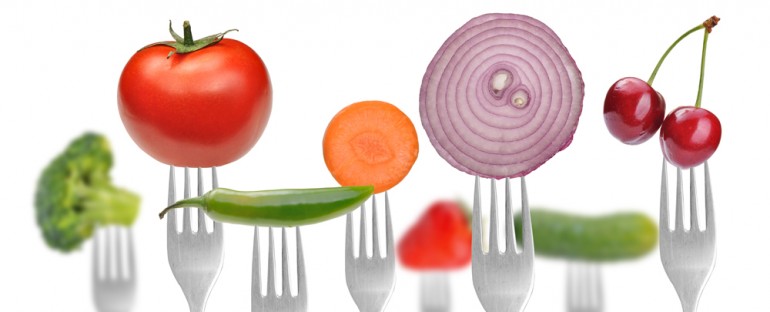
How often to do you try a new recipe, or buy an ingredient that you’ve never tried before? Chances are not very often. Most people (me included) have a handful of recipes and dishes that we cook week in week out. Why have we become unadventurous in the kitchen? Lack of time, for both shopping and cooking, is certainly one reason, but perhaps another is that we just don’t understand how important eating a variety of different foods is. Variety may be the ‘spice of life’ but I believe it’s also the key to healthy diet. Our body needs over 40 different nutrients to function properly and stay healthy and no single food or food group provides all the nutrients we need. Eating a variety of different foods is the best way to ensure you get the full range of vitamins minerals phytochemicals and other nutrients necessary for good health. Variety is particularly important when it comes to fruit and veg. When I was growing up, if someone talked about vegetables chances were they meant carrots, cabbage, swede or cauliflower because things like peppers, courgettes and sweet potato just weren’t available. Now even a modestly sized supermarket has a cornucopia of fruit and vegetables from every corner of the world. Although I’m not a big fan of exotic fruit and vegetables from far flung corners of the world (I’ll write more about the importance of eating locally grown seasonal produce in another blog) the point I’m making is that we have a wealth of fruit and veg to choose from, yet most of us choose the same things from one week to next. But good nutrition isn’t the only reason for ringing the changes once in a while. Introducing new foods into your diet could be the secret to a healthy mind as well as a healthy body. Experts in memory and mental agility suggest that breaking routines helps stimulate and refresh the brain. Living a varied and interesting life increases the chances of the brain working efficiently and changing routines and varying patterns in daily life helps us to stay alert and stimulated. So next time you go shopping, why not throw caution to the wind and try something different? – you never know it might just be what you brain and body needs!
 Latest Tweets
 RT @healthyfoodmag: If colder days and darker nights leave you feeling miserable, this article is for you. HFG nutritionist,… Click here for link,
 - Lunch at Flax and Kale, #superhealthy #super tasty #❤️Barcelona @ Barcelona, Spain Click here for link,
- Why cooking from scratch is the way forward Click here for link,
- RT @TelegraphFood: Is organic food really healthier? Nutritionist @fiona_nutrition helps bust the biggest food myths
Click here for link,